The Stakes of Authenticity
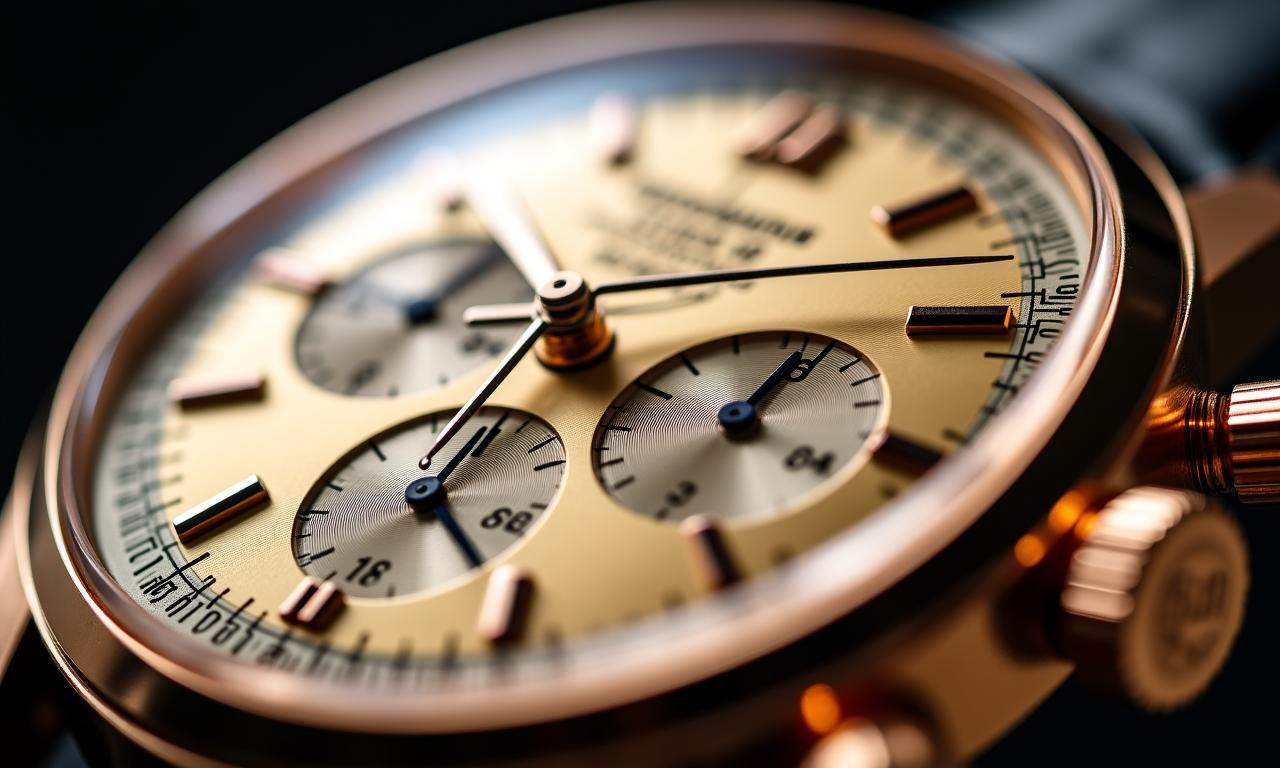
The vintage watch market has seen an unprecedented surge in interest over the last decade. As values soar, so does the sophistication of counterfeits and "franken-watches"—pieces assembled from disparate, non-original parts. At Summit Finds, we believe that understanding the soul of a timepiece begins with verifying its integrity. Authenticity isn't just about value; it's about preserving a mechanical legacy.
Key Indicators: The Dial and Typography
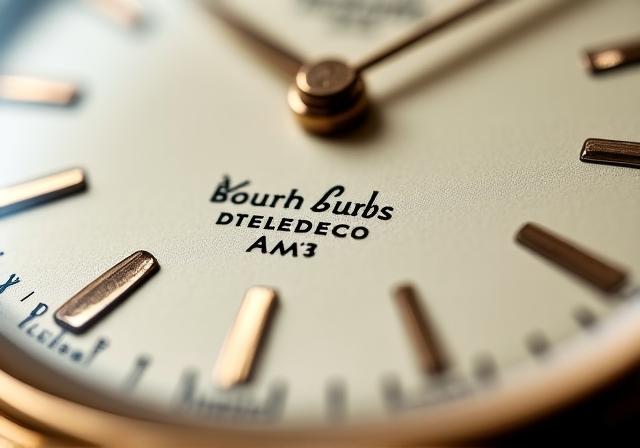
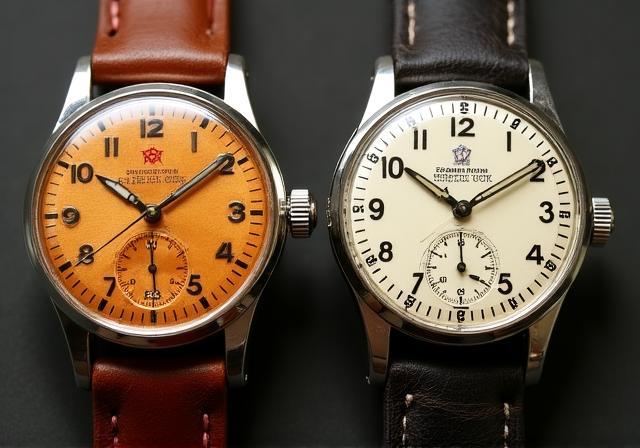
The dial is the face of the watch and often the first place to look for red flags. Genuine vintage dials possess a specific quality of printing that is difficult to replicate accurately.
- Typography: Look for the crispness of the serif fonts. Modern reprints often have "bleed" or inconsistent spacing known as kerning.
- Patina: Authentic aging is rarely uniform. Look for subtle oxidation or color shifts in lume plots (tritium or radium) that match the hands.
- Swiss Markings: Ensure the markings at 6 o'clock (like "T Swiss T") correspond correctly with the estimated production year and lume type.
The Heart: Inside the Case
A beautiful exterior can hide a mechanical mismatch. Identifying the movement is perhaps the most technical part of an appraisal. Look for the manufacturer's signature, caliber numbers, and the finish of the plates.
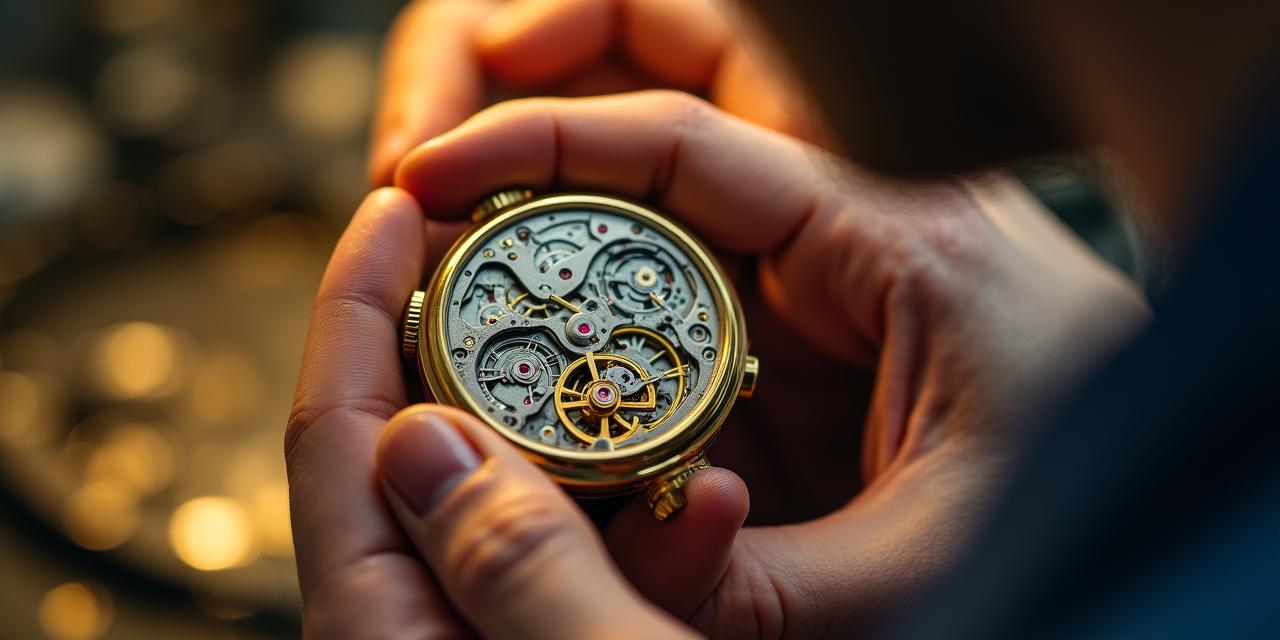
Genuine movements should exhibit consistent wear across all parts. If one bridge looks brand new while the rest of the movement is tarnished, it may have been replaced with non-period-correct components.
Provenance and Paperwork
While "box and papers" add significant value, they are also prone to forgery. Authentic paperwork should have age-appropriate paper yellowing and correct dealer stamps from the era of sale. Provenance—the documented history of ownership—can bridge the gap between a high-quality mystery and a blue-chip investment.
Seek Expert Consultation
Identifying a true gem requires years of handled experience and a library of reference materials. Don't leave your investment to chance.
Ready to verify your collection? Bring your timepieces to Summit Finds for an expert appraisal by our master horologists.
Book Your Professional Appraisal